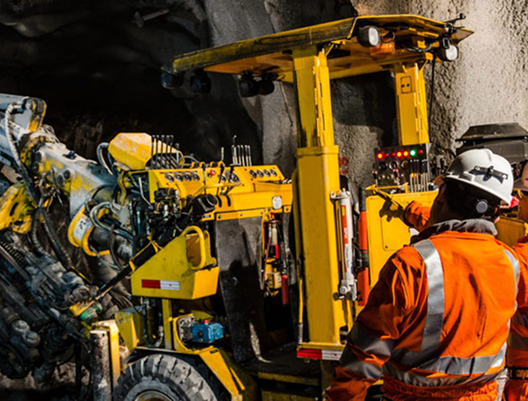
After the ore is extracted, it moves into the processing stage, also known as mineral processing. Here, the goal is to separate the valuable minerals from the unwanted material, called "gangue," that's mixed in with the crude ore. Over time, the technologies for both mining and extraction have continuously improved, making these processes more efficient.
So, what exactly are these "metallic ores"? Simply put, they are naturally occurring rocks that contain enough metal or metal compounds to be profitably extracted on a commercial scale. For instance, bauxite is a vital metallic ore because it's rich in aluminum oxide, from which aluminum is derived. Iron ore, for example, is the source of iron and steel. Metallic ores typically fall into categories like oxides, sulfides, carbonate ores, and halide ores.
Now, the crucial step: extracting metal from the ore. This isn't a one-size-fits-all process; the specific steps depend on the type of ore, how reactive the metal is, and the nature of the impurities. Generally, there are three main phases:
1. Concentration or Enrichment of Metallic Ores: This initial step focuses on getting rid of the undesirable impurities (gangue) from the ore. Various sub-processes are employed, such as handpicking, hydraulic washing, electromagnetic separation, froth flotation, liquation, and leaching, each chosen based on the properties of the ore and the gangue.
2. Extracting a Metal from a Concentrated Ore:Once the ore is concentrated, the metal is extracted. This process varies depending on the reactivity of the metal. For example, highly reactive metals might require electrolytic reduction, while less reactive metals could be extracted through smelting or reduction with carbon.
3. Refining of the Impure Metal and Metal Compounds:The final stage is all about purifying the extracted metal. This involves removing any remaining pollutants to achieve a high level of purity, often 99.9% unadulterated metal. Electrolytic refining is a very common and effective method used for this purpose.
In essence, mining and metal extraction are a systematic journey from identifying a potential metal-bearing rock to obtaining a pure, commercially valuable metal, with each stage building upon the last to maximize efficiency and purity.