This is the initial phase where metal-bearing ores are removed from the earth. The method of extraction depends heavily on the ore's geological characteristics, depth, and the type of metal.
- Open-Pit Mining: Used when ore bodies are relatively shallow and widespread. Large-scale machinery excavates the ore and surrounding rock (overburden) from the surface. This method is common for copper, iron, and gold.
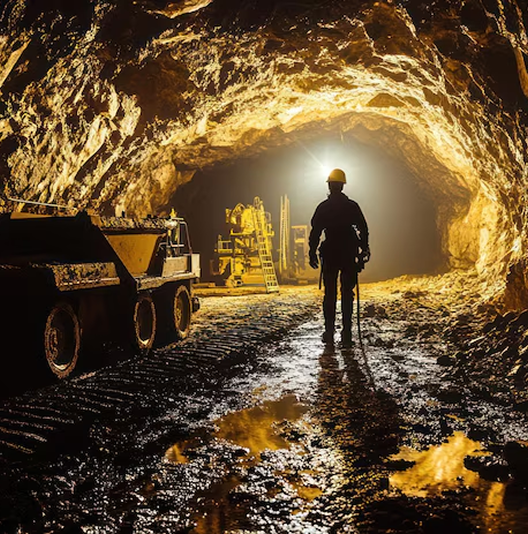
- Underground Mining: Employed when ore deposits are deeper and more concentrated. Tunnels, shafts, and adits are constructed to access the ore, which is then transported to the surface. Methods include cut-and-fill, room-and-pillar, and block caving, often used for gold, silver, nickel, and some copper deposits.
- Placer Mining: Involves extracting minerals from alluvial deposits (sediments in rivers or ancient streambeds), typically for gold, tin, and diamonds.
- Solution Mining (In-Situ Leaching): Chemicals are injected into the ore body to dissolve the desired metal, which is then pumped to the surface. This is used for some uranium and copper deposits.